Artificial Intelligence: Revolutionizing Access Control in Zurich, Switzerland
Category : |
Sub Category : Posted on 2024-10-05 22:25:23
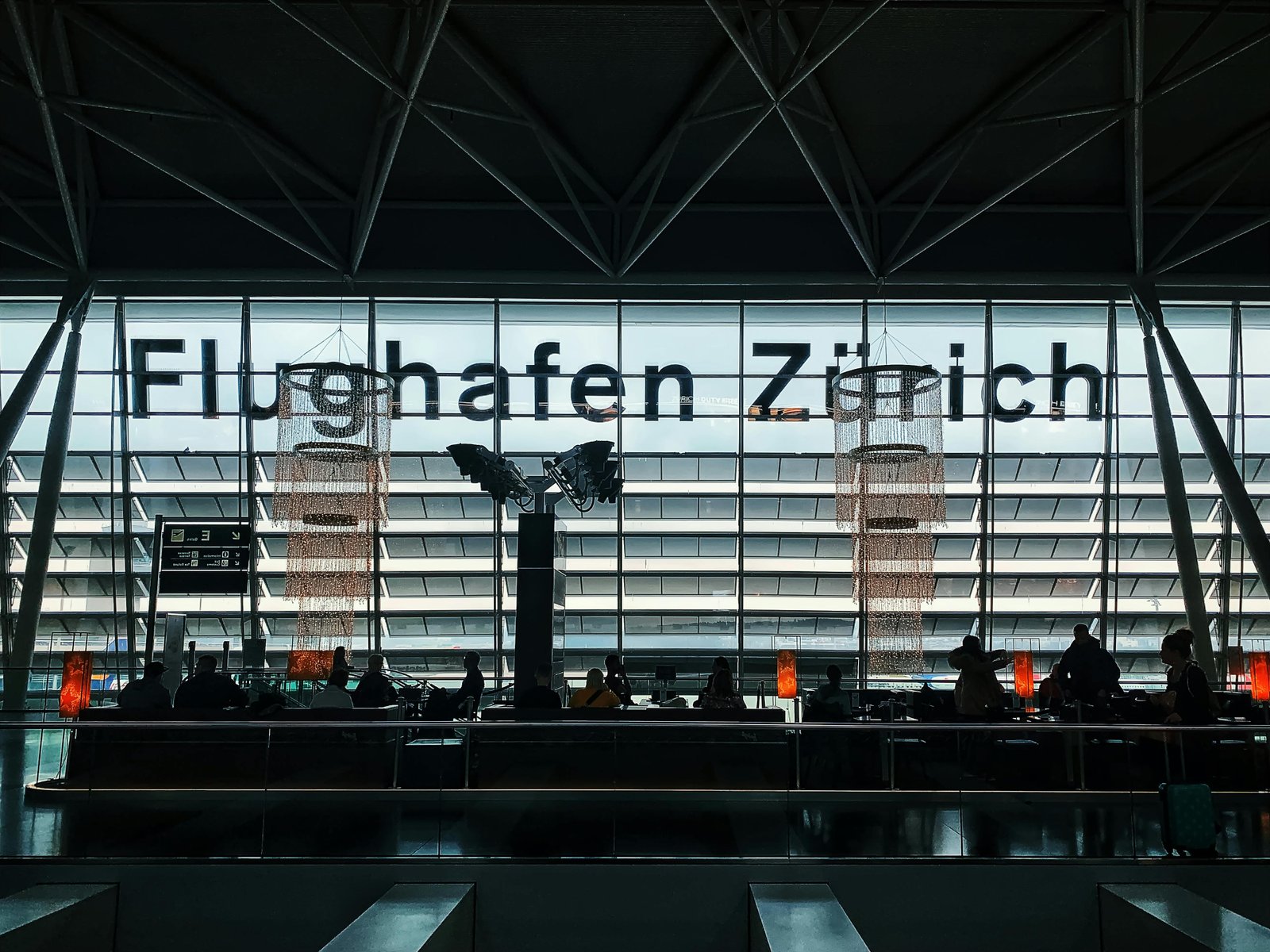
artificial intelligence (AI) has become a game-changer in various industries, and access control is no exception. In Zurich, Switzerland, advancements in AI technology are transforming the way access control systems operate, enhancing security measures and streamlining processes like never before. Access control is a critical aspect of security management, especially in densely populated areas like Zurich. Traditionally, access control systems relied on methods such as key cards, PIN codes, or fingerprint scanners to regulate entry to buildings or restricted areas. However, these methods have limitations in terms of efficiency, security, and user experience. With AI, access control systems in Zurich can now analyze and respond to data in real-time, enabling more dynamic and intelligent decision-making processes. AI-powered systems can detect anomalies, identify suspicious behavior, and adapt access permissions based on various factors such as time of day, user profiles, and even facial recognition. One of the key benefits of AI in access control is its ability to enhance security measures. By leveraging machine learning algorithms, AI systems can continuously learn from patterns and trends in access data to detect potential threats or breaches. This proactive approach to security allows for immediate responses to any suspicious activities, ultimately reducing the risk of unauthorized access. Moreover, AI-based access control systems in Zurich offer greater convenience and flexibility for users. For instance, facial recognition technology can provide a seamless and contactless entry experience, eliminating the need for physical credentials like key cards or badges. This not only improves user experience but also reduces the chances of lost or stolen access tokens. In addition to security and convenience, AI also enables predictive analysis and personalized access control settings. By analyzing historical data and user behavior, AI systems can anticipate access needs and customize permissions accordingly. This level of personalization not only enhances security but also improves operational efficiency by reducing unnecessary restrictions. Overall, the integration of AI in access control systems in Zurich, Switzerland represents a significant step forward in modernizing security measures and optimizing user experiences. As AI technology continues to evolve, we can expect even more sophisticated and intelligent access control solutions that cater to the unique needs of different industries and environments. In conclusion, artificial intelligence is revolutionizing access control in Zurich, Switzerland, by enhancing security, improving user experience, and enabling more efficient and personalized access management. The future of access control lies in the hands of AI, paving the way for safer, smarter, and more secure environments in the digital age.


